
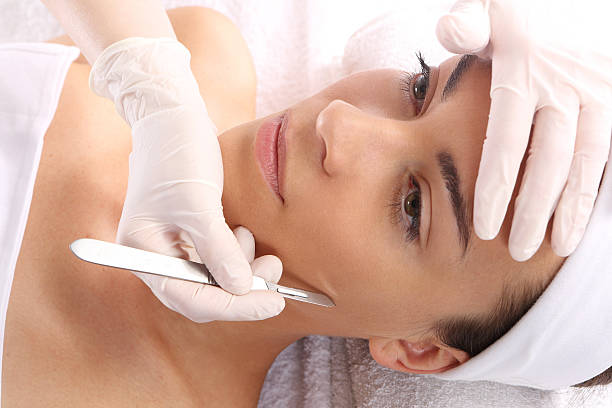
One of the critical concerns for many considering dermaplaning is whether this skin treatment will cause their facial hair to grow back thicker or coarser. Dermaplaning has gained popularity as a procedure to exfoliate the skin and remove dead skin cells along with fine vellus hair. However, it’s vital to dispel myths and present the factual information regarding its effect on hair regrowth. Let’s delve into what science says about dermaplaning and provide clarity for those apprehensive about unwanted changes in hair texture.
Contents
Understanding Dermaplaning
Dermaplaning is a non-invasive cosmetic procedure that involves using a precise, sterile blade to gently remove the topmost layers of dead skin and peach fuzz. Unlike shaving, dermaplaning is performed at a 45-degree angle which promotes a smoother skin surface and aids in the reduction of acne scars and fine lines.
The benefits of dermaplaning are plentiful. They include an immediate improvement in skin texture and tone, the reduction of fine lines, and a brighter complexion. It also allows for deeper penetration of skincare products and creates a flawless canvas for makeup application.
The Myth Surrounding Dermaplaning and Hair Growth
The belief that hair grows back thicker after dermaplaning is not based on scientific evidence. This misconception likely arises from the tendency to confuse blunt hair tips, as seen after shaving, with an actual increase in hair thickness or coarseness. Given dermaplaning targets fine facial hair, a similar concern has arisen among its potential users.
Understanding the hair growth cycle is vital to debunking the myth. Hair follows a natural cycle with three phases: anagen (growth), catagen (transition), and telogen (resting). Dermaplaning affects the hair’s length but not its thickness or the cycle itself. Once cut, the hair simply resumes its growth from where it was interrupted.
Scientific Insights into Dermaplaning and Hair Regrowth
Scientific insights into dermaplaning reveal that the procedure has no effect on the color, texture, or growth rate of hair. Since dermaplaning only addresses the hair above the surface of the skin, the follicle structure, which determines hair texture, remains unchanged.
Dermatologists widely agree that dermaplaning is a safe procedure that does not alter hair growth. Clinical experience suggests that hair will grow back at the same rate and with the same texture as before treatment.
What to Expect After a Dermaplaning Treatment
After a dermaplaning treatment, the hair will take time to appear since it was trimmed at skin level. When it does regrow, it may initially feel different due to the sharp cut end. However, this sensation is temporary and does not indicate any change in the nature of hair.
How to Maintain Results After Dermaplaning
Proper aftercare is crucial for maintaining the smooth, radiant effects of dermaplaning. Use gentle, hydrating skincare products and always apply sunscreen to protect the newly exposed skin from harmful UV rays.
Maintaining the effects of dermaplaning requires periodic treatments. Experts suggest planning your subsequent sessions based on your personal hair growth cycle and skin sensitivity.
The Short and Long Term of It: Maintaining Your Dermaplaning Results
Here’s a concise list on ensuring the longevity of your dermaplaning results for both the short term and long term:
- Short Term:
Apply a gentle, hydrating moisturizer daily and avoid harsh chemicals on your skin for the first few days post-treatment. - Long Term:
Schedule regular monthly appointments to maintain the smooth appearance and to keep the fine hairs at bay.
Now, let’s look at a few commonly used dermaplaning tools and their characteristics in the table below:
| Tool | Type | Usage | Best For |
|---|---|---|---|
| Dermaplaning Blade | Professional | Clinical setting | Immediate, precise results |
| Home Dermaplaning Kit | Consumer Grade | Home use | Convenience |
| Safety Razor | Consumer Grade | Occasional home use | General upkeep |
Conclusion
In closing, dermaplaning is an effective and safe cosmetic procedure that removes dead skin cells and fine facial hair, promoting a smooth and radiant complexion. It does not cause the hair to grow back thicker or coarser. The treatment is backed by dermatologists who understand the hair’s lifecycle and can assure patients of its benefits without altering hair regrowth. For optimal and lasting results, professional treatments coupled with appropriate aftercare are recommended.
FAQs
Finally, here are answers to some frequently asked questions about dermaplaning:
- Is dermaplaning suitable for all skin types?
While dermaplaning is generally safe for most skin types, individuals with sensitive skin or specific skin conditions should always consult with a dermatologist before undergoing the treatment. - How often should I get dermaplaning done to maintain results?
Dermaplaning can be done every 4-6 weeks to maintain its benefits, but the exact frequency will depend on every individual’s skin type and hair growth cycle. - Can dermaplaning cause skin irritation or breakouts?
While some might experience temporary redness or skin sensitivity, appropriate aftercare such as applying gentle moisturizers and avoiding direct sun exposure can greatly reduce these effects. - Will my facial hair grow back darker after dermaplaning?
Dermaplaning does not affect the pigment of your hair follicles. Thus, the hair will not grow back darker than it was prior to the procedure. - Can I perform dermaplaning at home, or should I see a professional?
While home dermaplaning tools exist, for safety and the best results, having the procedure done by a trained professional is highly recommended.