
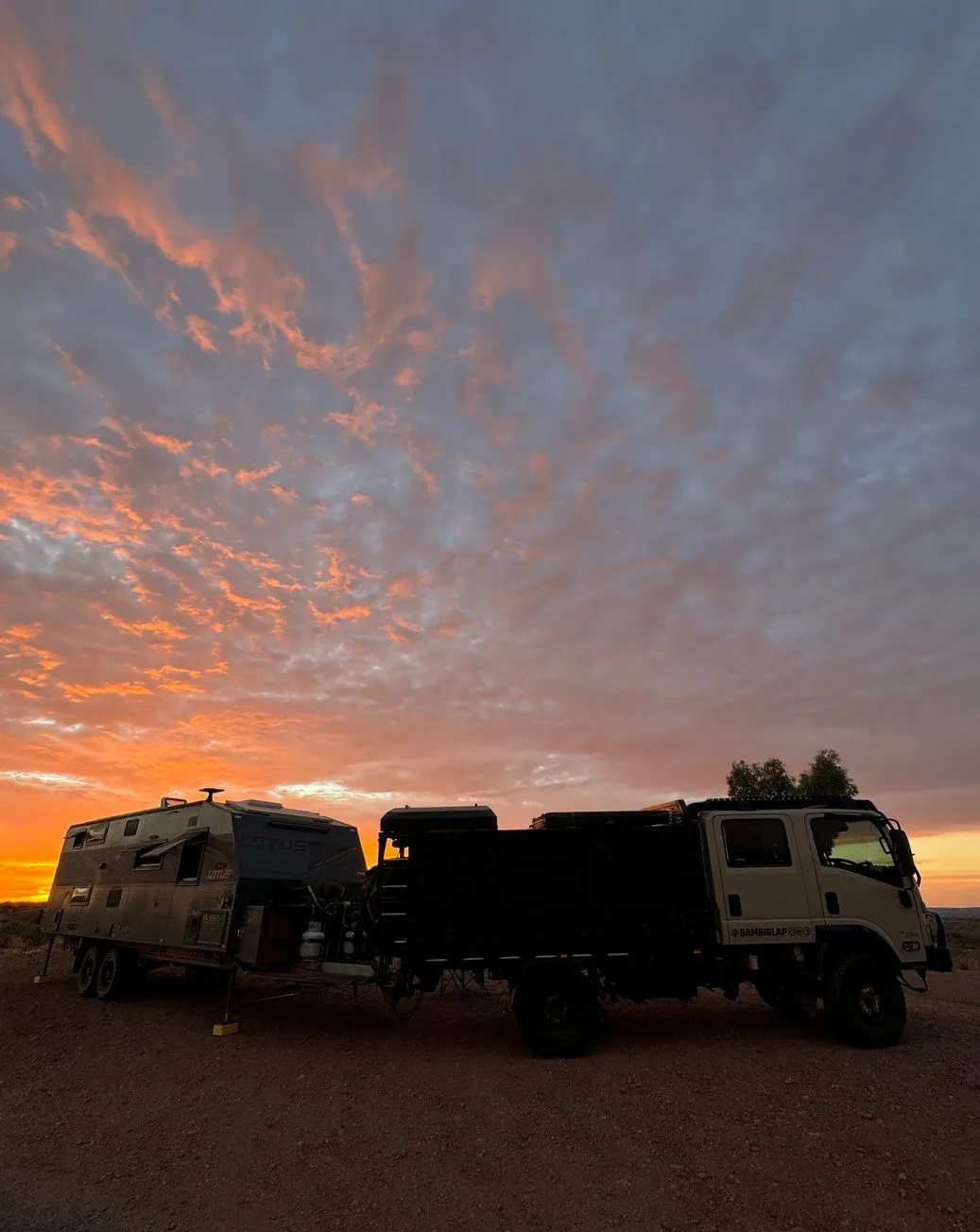
Driving from Alice Springs to Uluru (Ayers Rock) is one of Australia’s most epic and unforgettable trips, taking you through the amazing landscapes of Central Australia. From Uluru and Kata Tjuta to Kings Canyon and Ormiston Gorge, the trip has so many natural wonders, Aboriginal cultural experiences, and so much of the Australian outback to discover. But while the trip is pretty straightforward, you need to plan ahead for safety, comfort and enjoyment. This article will cover the road conditions, safety tips, weather, and everything you need to know to make a smooth and safe trip from Alice Springs to Uluru and beyond.
Contents
The Alice Springs to Uluru Journey
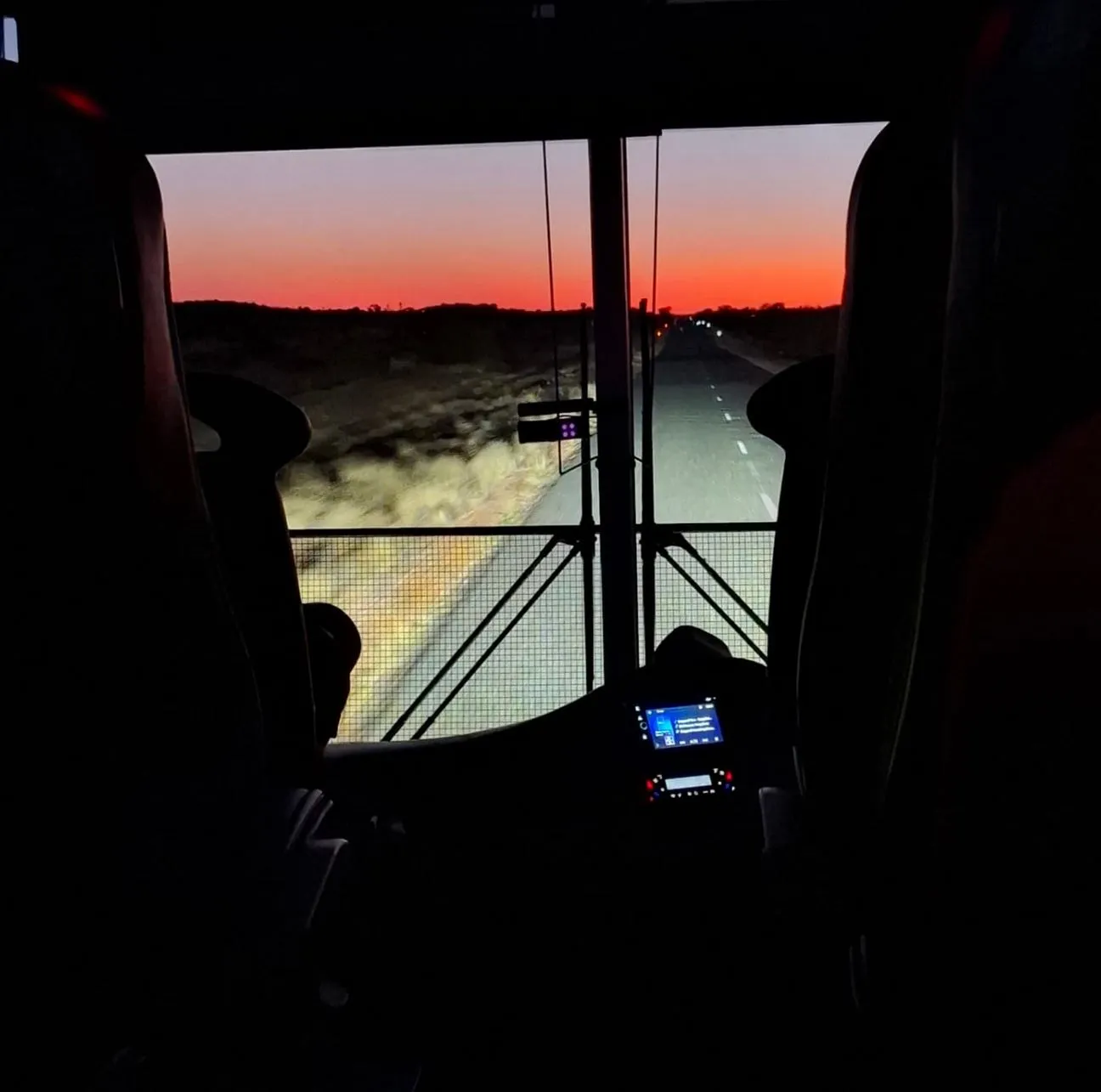
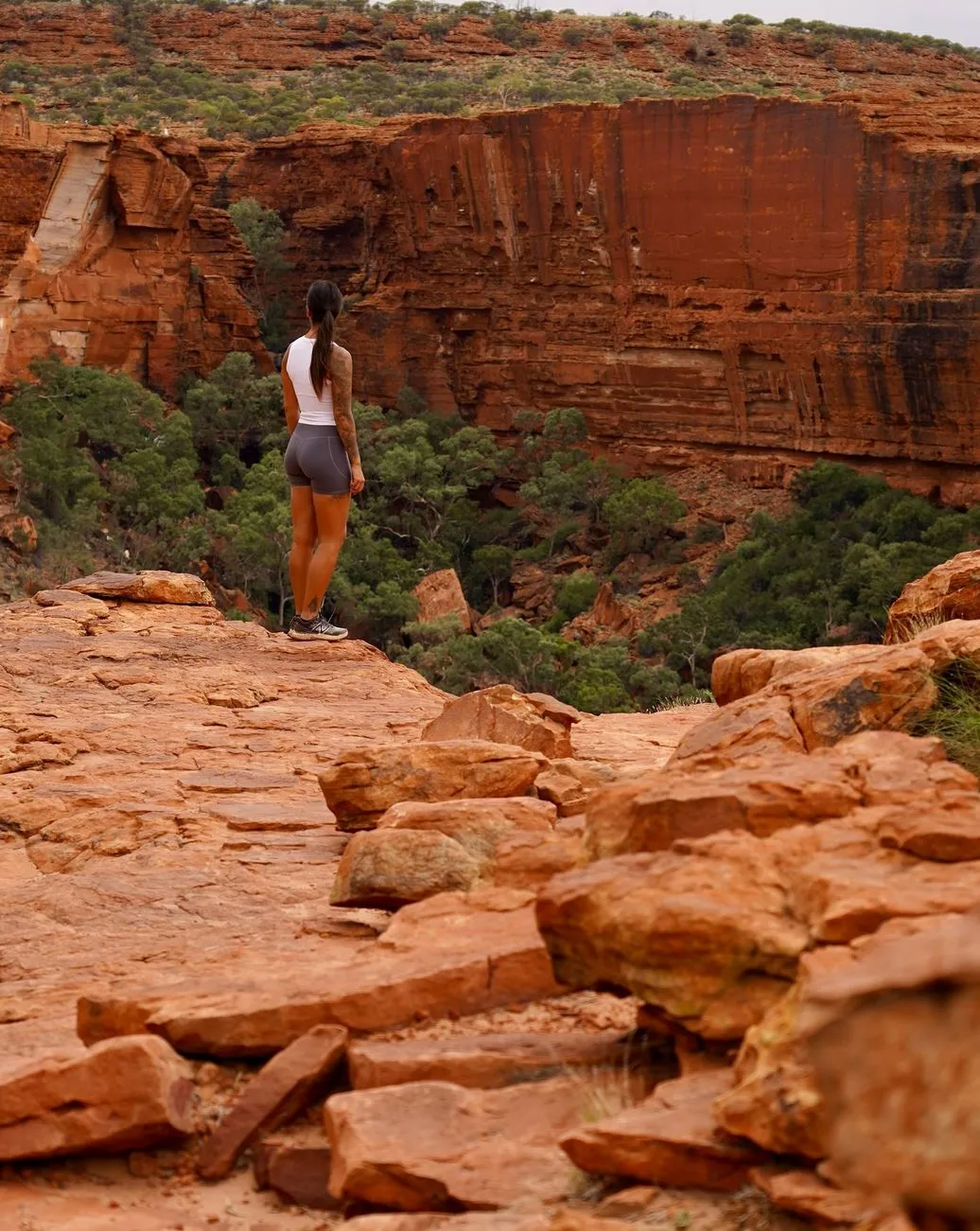
The drive from Alice Springs to Uluru is 450km (280 miles) and takes around 4.5 to 5 hours, depending on the route and how many stops you make along the way. This trip takes you from the middle of Central Australia to one of the most famous natural wonders of the world – Uluru. Along the way, you’ll pass through Kings Canyon, Kata Tjuta and Watarrka National Park. The road is full of amazing landscapes, ancient rock formations and off-the-beaten-track destinations like Ormiston Gorge, Palm Valley and Glen Helen.
Road Conditions and Route Options
The main road to Uluru is via the Lasseter Highway, which is a well-maintained, sealed road. This road is suitable for all vehicles and is the most popular route for visitors to the Uluru-Kata Tjuta National Park. But if you want to explore more remote areas or go off the main highways, you may encounter unsealed roads that require a more rugged vehicle. Here are the road conditions and route options:
- Sealed Roads: The Lasseter Highway from Alice Springs to Uluru is sealed and suitable for all vehicles. The road is regularly maintained, but as with any road trip, always check for any closures or roadworks, especially in the wet season. Other sealed roads in the area are the Stuart Highway and Namatjira Drive.
- Неасфальтированные дороги: Если вы хотите посетить Кингз-Каньон, Глен-Хелен, ущелье Ормистон или долину Палм, некоторые дороги могут быть неасфальтированными и неровными. Дорога Луритья, которая соединяет шоссе Лассетер с курортом Кингз-Каньон и национальным парком Ватаррка, неасфальтированная и может быть неровной после дождя. По этим дорогам можно проехать на полноприводном автомобиле, но будьте осторожны. Всегда проверяйте состояние дороги перед выездом.
- Detours and Alternative Routes: If you’re planning a trip that includes Kings Canyon, Kata Tjuta, or Finke Gorge National Park, consider taking a detour like the Mereenie Loop, Namatjira Drive or Larapinta Drive. These routes are scenic and popular with tourists who want to see more of the Red Centre. However, many of these routes are unsealed, so it is best to have a 4WD vehicle.
Vehicle Requirements for the Trip

Central Australia is a long way from anywhere, so your vehicle is a big part of your safety and comfort during the trip. Here are some things to consider when choosing your vehicle:
- Емкость топливного бака: заправки редки и редки, поэтому убедитесь, что вы заправились перед выездом и у вас достаточно топлива, чтобы взять его с собой, особенно если вы планируете отправиться в неизведанные места, например, в такие места, как станция Кингс-Крик или Кертин-Спрингс. Вы также можете захватить с собой канистру с топливом.
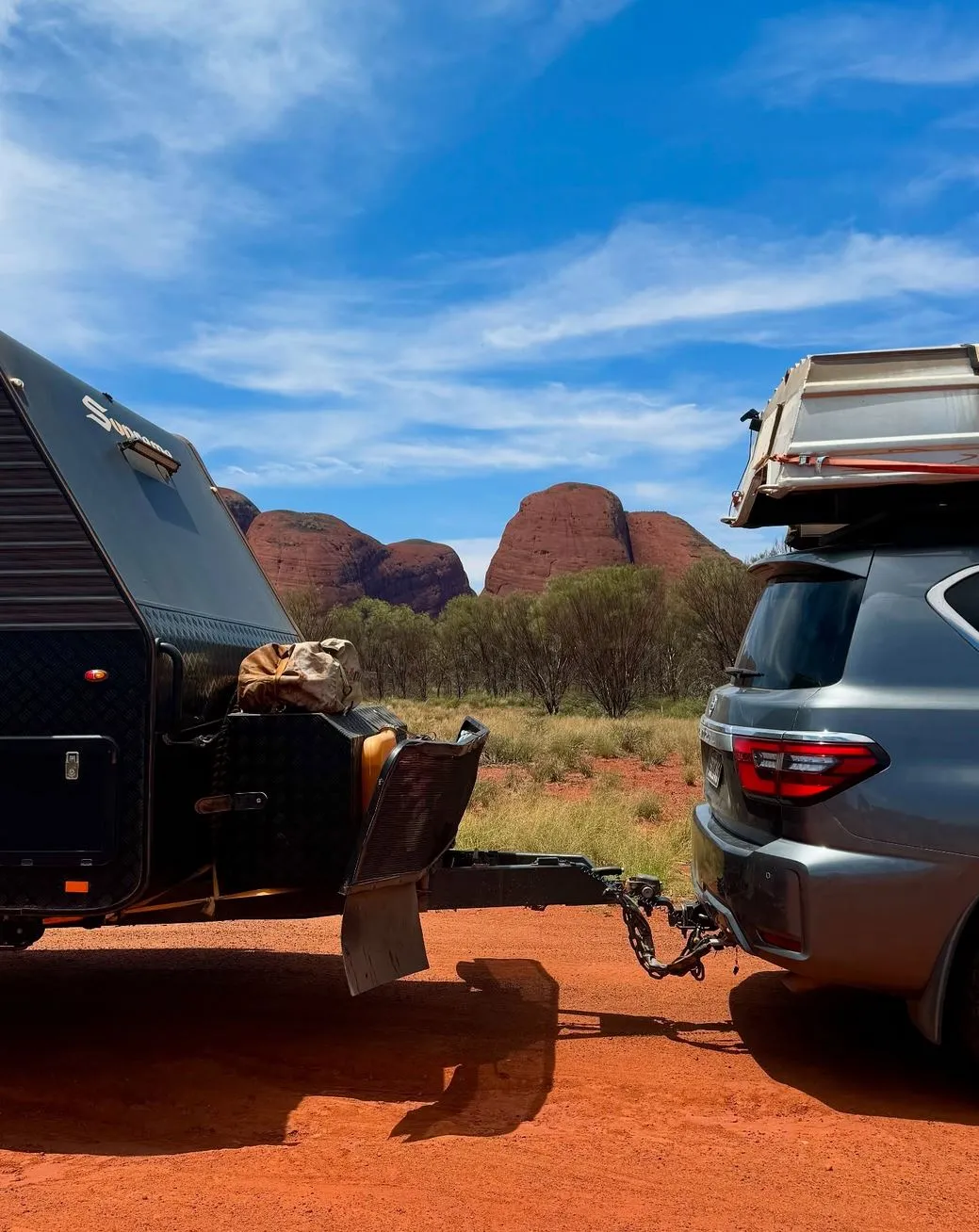
- Vehicle Type: A 4WD is not required to drive on the sealed Lasseter Highway but is recommended if you plan to travel on unsealed roads such as to Finke Gorge or Ormiston Gorge. A 4WD will make dirt roads and sand dunes more manageable and safer in case of unexpected conditions.
- Аварийные принадлежности: надежный автомобиль важен, но также важны и правильные аварийные принадлежности. Сюда входят аптечка первой помощи, запасные шины и базовый набор инструментов. В отдаленных районах часто отсутствует мобильная связь, поэтому настоятельно рекомендуется иметь при себе спутниковый телефон, если вы планируете отправиться в такие места, как заповедник Оуэн-Спрингс или петля Мерини.
- Tyre Pressure and Spare Tyres: Check that your tyres are in good condition and at the recommended pressure, as low tyre pressure can cause dangerous driving on rough roads. Carry at least one spare tyre and the tools to change it.
Fuel and Food Stops Along the Way

Along the way from Alice Springs to Uluru, there are fuel and food stops, but they are spread out, so planning is essential:
- Alice Springs: Fill up in Alice Springs, where there are many petrol stations and food options. Before you leave, make sure your vehicle is in good condition and ready for the long trip ahead.
- Curtin Springs: Halfway along the route is Curtin Springs, where you can fill up, eat and stay. This roadhouse is a good place to stretch your legs, grab a bite to eat and check your vehicle before you continue.
- Yulara: This is the nearest town to Uluru and has a range of accommodation options, including the Ayers Rock Resort. Yulara is where you’ll find the closest fuel to Uluru, restaurants, supermarkets and shops for last-minute supplies.
Weather Considerations and Time of Year
Central Australia is hot, so you need to consider the time of year and climate when planning your trip.
- Summer (December to February): Temperatures can get above 40°C (104°F), so hydration is key. Bring lots of water (at least a couple of litres per person) to avoid dehydration. Also, bring sunscreen and take breaks in the shade to avoid heat stroke. Plan your driving times to avoid the hottest part of the day, which is 12:00 pm to 4:00 pm.
- Autumn and Spring (March to May, September to November): This is the best time to visit. Temperatures are more moderate, 15°C (59°F) in the mornings and 30°C (86°F) during the day. Perfect for driving, you can do outdoor activities like hiking trails, Uluru Base Walk and Kings Canyon Sunrise.
- Winter (June to August): Although the days are mild, the nights can be very cold, so bring warm clothing, especially if you’re camping or staying at Kings Canyon Resort or Ayers Rock Resort.
- Rain: Although rain is rare in the region, the wet season (November to April) can make unsealed roads impassable. Always check for road closures before you go.
Wildlife and Safety
The open roads are beautiful but also come with the risk of wildlife. Central Australia has many animals, some of which can be hazardous to drivers. Kangaroos, wild camels and emus roam the roads, especially at dawn and dusk.
- Road Safety: Drive carefully during wildlife hours—dawn and dusk. Slow down and be alert to avoid wildlife collisions, especially on roads like Luritja Road near Kings Canyon Resort.
- Wild Camels: As you drive through Owen Springs Reserve or Mereenie Loop be aware of wild camels crossing the road especially during the cooler months.
Safety Tips for Driving from Alice Springs to Uluru
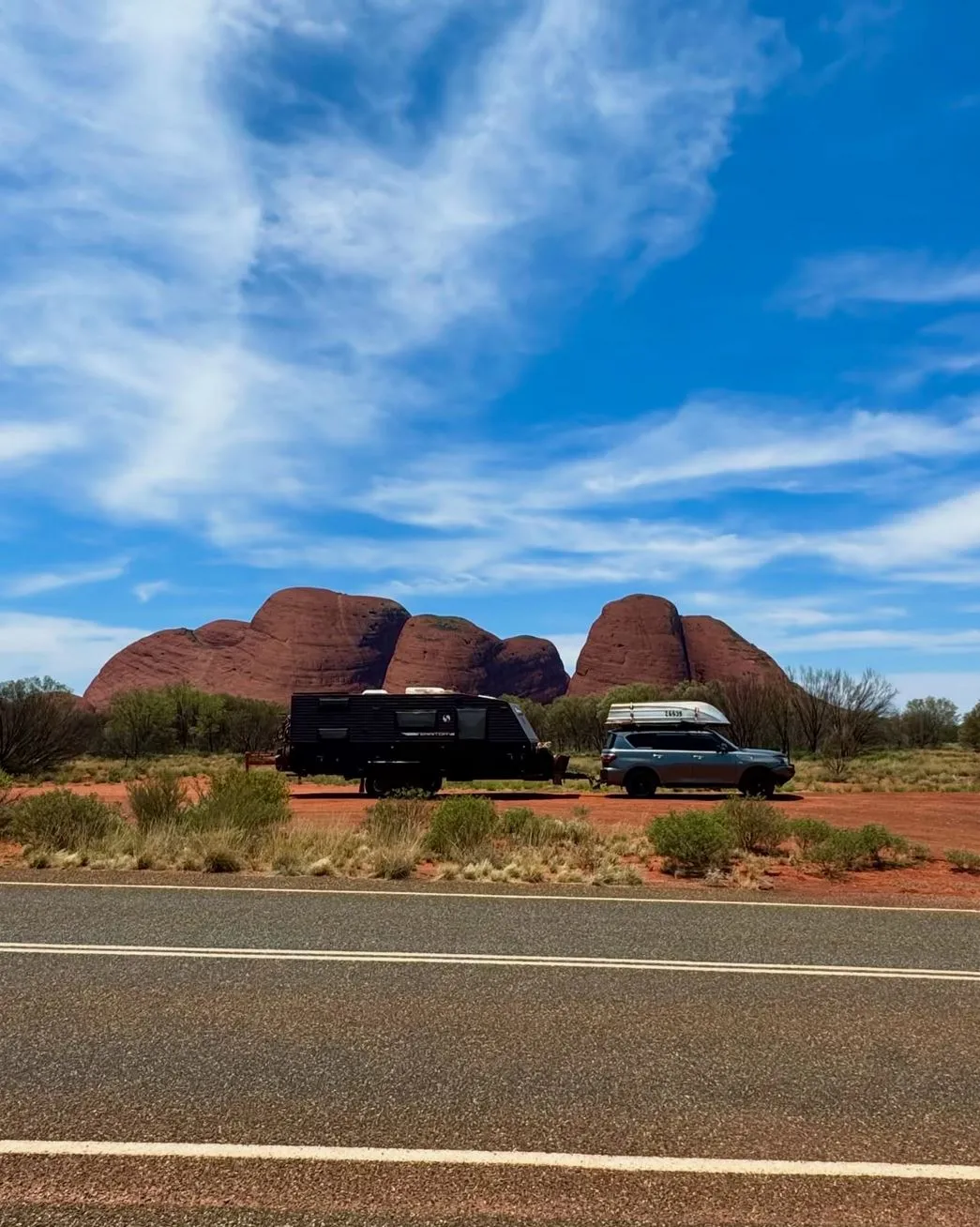
Here are some extra tips for your trip:
- Stay Informed: Before you go, check the weather, road conditions and any local alerts. The Alice Springs Visitor Information Centre and the Northern Territory Government’s website have the latest info on conditions that may affect your journey.
- Driving Hours: Don’t drive at night as there is wildlife crossing the road and reduced visibility. Drive during the day so you can enjoy the views.
- Emergency Supplies: Carry a first aid kit, torch, map and enough water and food to last the journey. It’s also a good idea to bring a power bank or extra charging cables for your phone or GPS.
- Plan Your Stops: Break the journey into smaller sections, and stop at places like Curtin Springs or Kings Creek Station to rest and refuel. If you’re camping, make sure you know the nearest caravan park or campsite along the way.
Conclusion
Driving to Uluru from Alice Springs is a one-off experience, so make the most of it. With some planning, you can have a safe and enjoyable trip. Prepare for extreme weather, carry the right emergency supplies and be careful with wildlife. You’ll get to see all the best of this amazing part of the world – the sacred Uluru, the ancient rock art of Kata Tjuta and the views from Kings Canyon.
If you want to make the most of your trip there are Alice Springs Uluru packages available that include guided tours, accommodation and extra experiences so you can have a stress free trip to some of Australia’s most famous landmarks.
FAQ
How long does it take to drive from Alice Springs to Uluru?
4.5 to 5 hours, depending on the route and stops.
Do I need a 4WD for this trip?
It is not necessary for sealed roads, but it is recommended if you plan to go off-road to Finke Gorge, Palm Valley, or Ormiston Gorge.
What to bring?
Bring plenty of water (at least 2-3 litres per person), snacks, sunscreen, first aid kit and emergency supplies like a satellite phone.
Is there fuel along the way?
Fuel stations are in Alice Springs, Yulara (near Uluru) and Curtin Springs. Refuel before you leave Alice Springs, and carry extra fuel if needed.
Must see stops?
Kings Canyon, Kata Tjuta, Ormiston Gorge, Alice Springs Desert Park and Uluru. The views along the way, including the Mereenie Loop and Kings Creek Station, are worth stopping for.